
Arthur County Nebraska 91
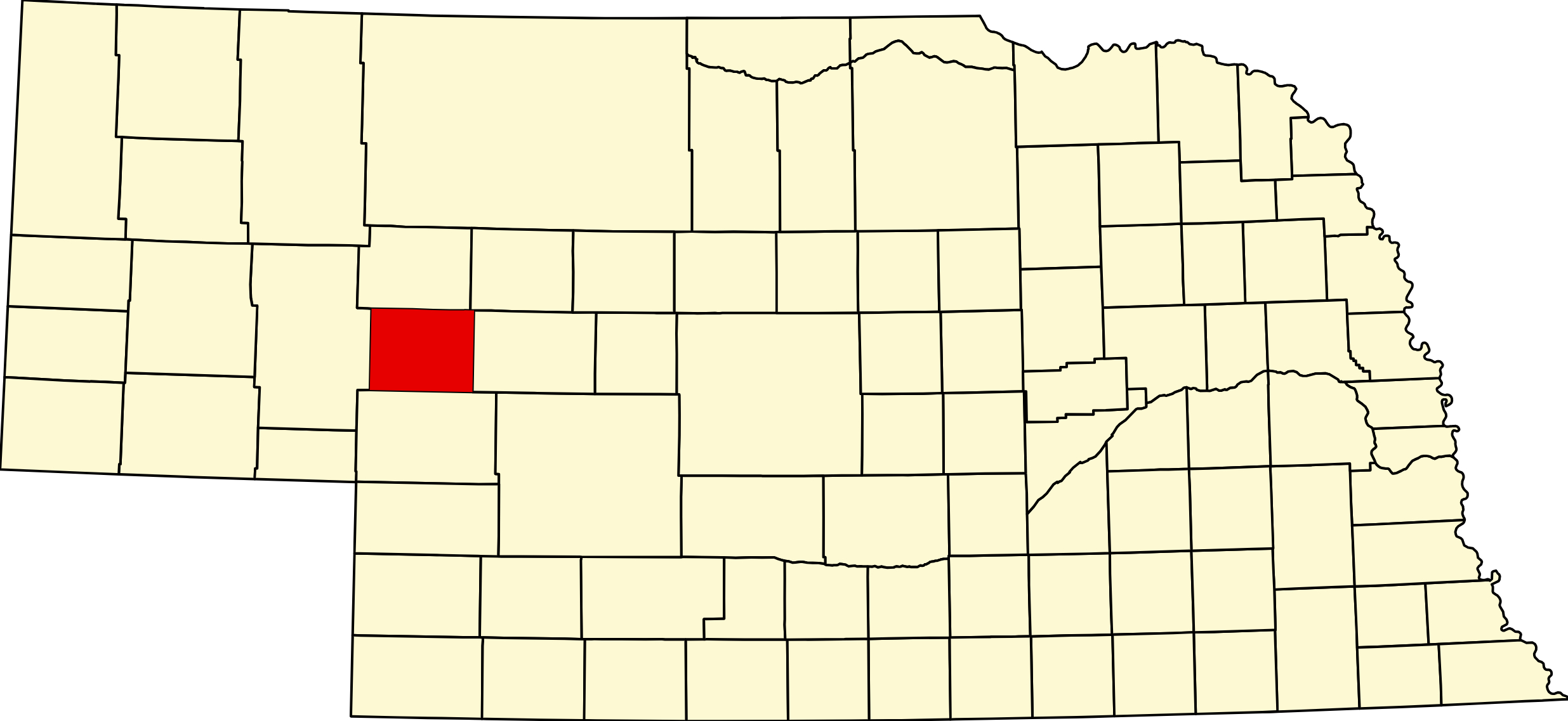
Arthur County, Nebraska
County Seat: Arthur
Founded: 1913
Named For: President Chester A. Arthur
License Plate Prefix: 91
Population: 434 (2020 census)
Area: 718 sq mi
History
Arthur County was created in 1913 from the western portion of McPherson County after disputes over the county seat. It was named in honor of President Chester A. Arthur. Settlement began in the 1880s with ranchers seeking open grazing land in the Sandhills. The Homestead Act of 1904, which allowed larger 640‑acre claims, encouraged further settlement. The village of Arthur was established as the county seat, and remains the county’s only incorporated community.
Geography
- Location: Central Sandhills region of Nebraska
- Landscape: Rolling sandhills, ranchland, and wide‑open prairies
- Adjacent Counties: Hooker (N), McPherson (E), Keith (S), Garden (W)
Culture & Landmarks
- First Arthur County Courthouse and Jail – Believed to be the smallest courthouse in the United States, preserved as a museum.
- Baled Hay Church – Built in 1928 from baled rye straw covered in stucco, a unique landmark of Sandhills ingenuity.
- Arthur County Courthouse – A 1914 brick courthouse still in use today, listed on the National Register of Historic Places.
Notable Communities
- Arthur – County seat and only incorporated town, home to historic landmarks and community services.
- Lena – Early post office site and settlement predating the village of Arthur.
Events & Attractions
- Arthur County Fair – A small but lively fair celebrating ranching traditions and community spirit.
- Sandhills Ranching Heritage – Visitors can experience the wide‑open landscapes and working ranches that define the county’s way of life.
- Historic Walking Tour – Explore the courthouse, jail, and Baled Hay Church for a glimpse into pioneer resilience.
Living in Arthur County
Arthur County is one of the least populated counties in the United States, offering a quiet, rural lifestyle centered on ranching and community. Residents value independence, tradition, and the wide‑open spaces of the Sandhills.
